
𝐒𝐭𝐚𝐧𝐡𝐨𝐩𝐞 𝐄𝐥𝐦𝐨𝐫𝐞 𝐚𝐠𝐫𝐢𝐜𝐮𝐥𝐭𝐮𝐫𝐞 𝐩𝐫𝐨𝐠𝐫𝐚𝐦 𝐜𝐫𝐞𝐚𝐭𝐞𝐬 𝐧𝐞𝐰 𝐨𝐩𝐩𝐨𝐫𝐭𝐮𝐧𝐢𝐭𝐢𝐞𝐬 𝐟𝐨𝐫 𝐬𝐭𝐮𝐝𝐞𝐧𝐭𝐬
wednesday, August 19, 2026
Students at Stanhope Elmore High School are getting a chance to learn agriculture in a way that goes far beyond the classroom.
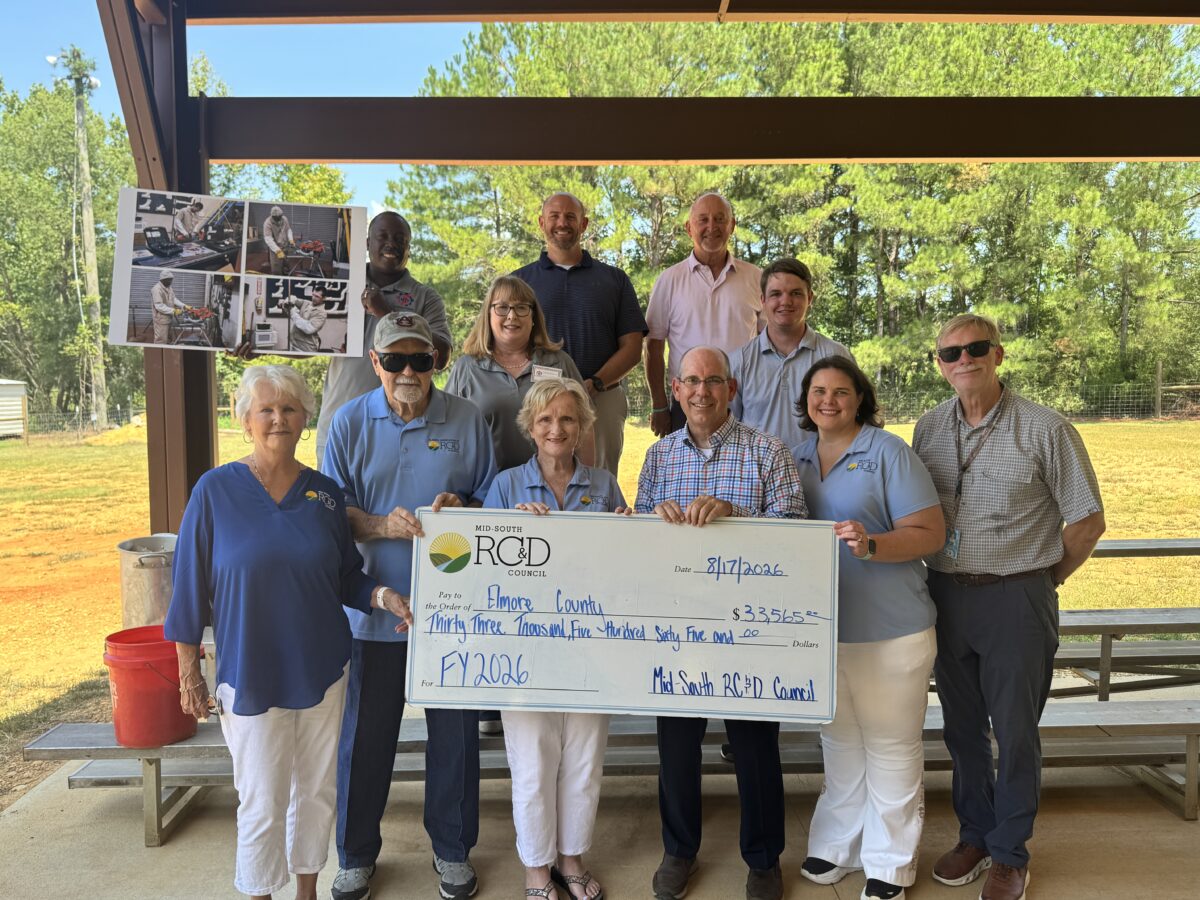
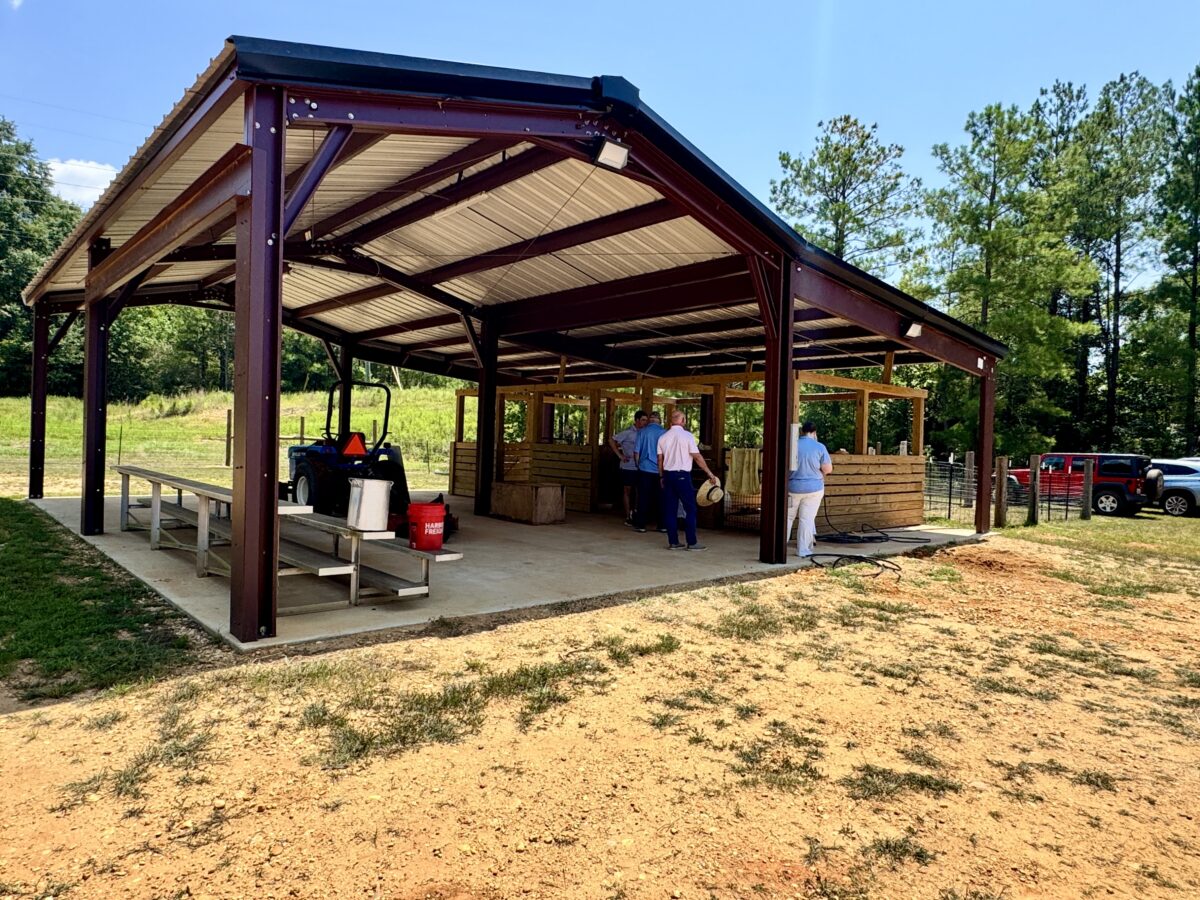
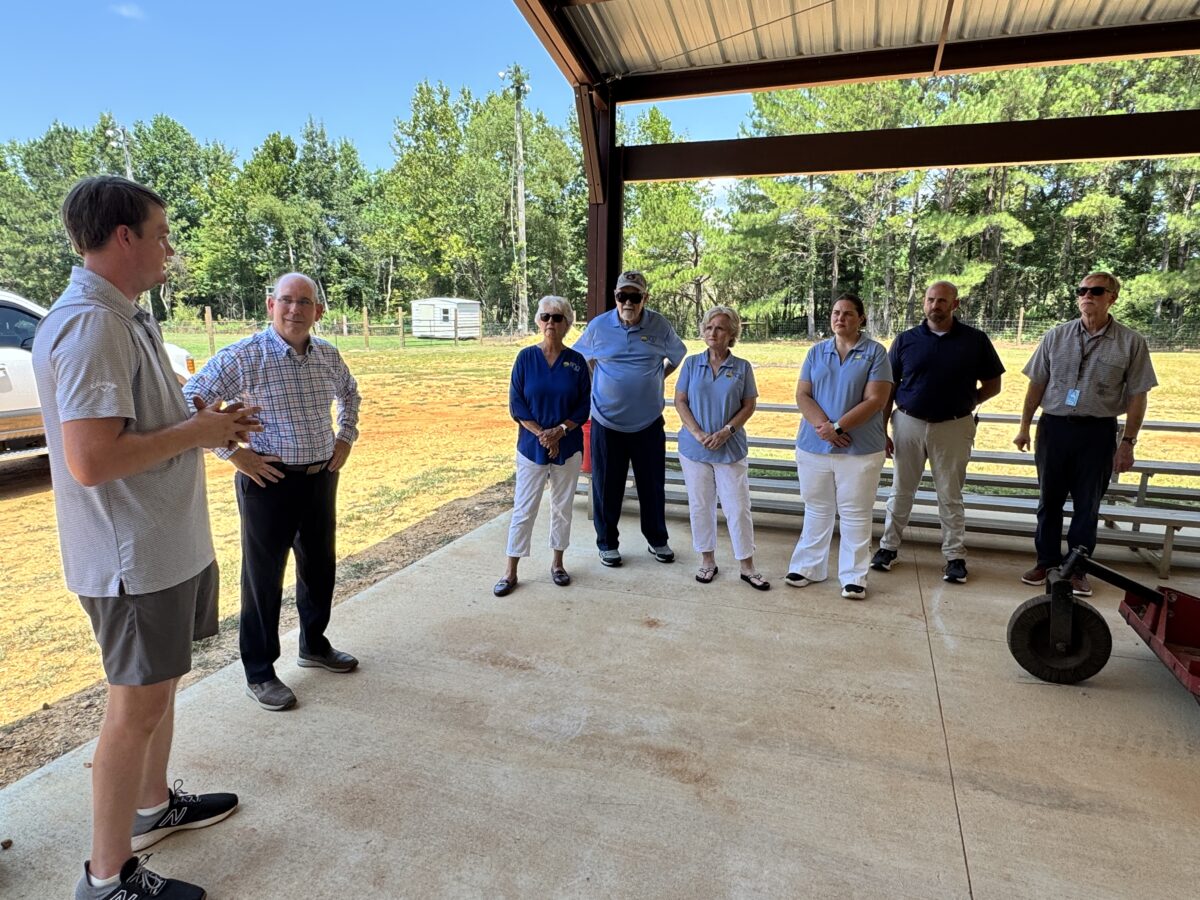
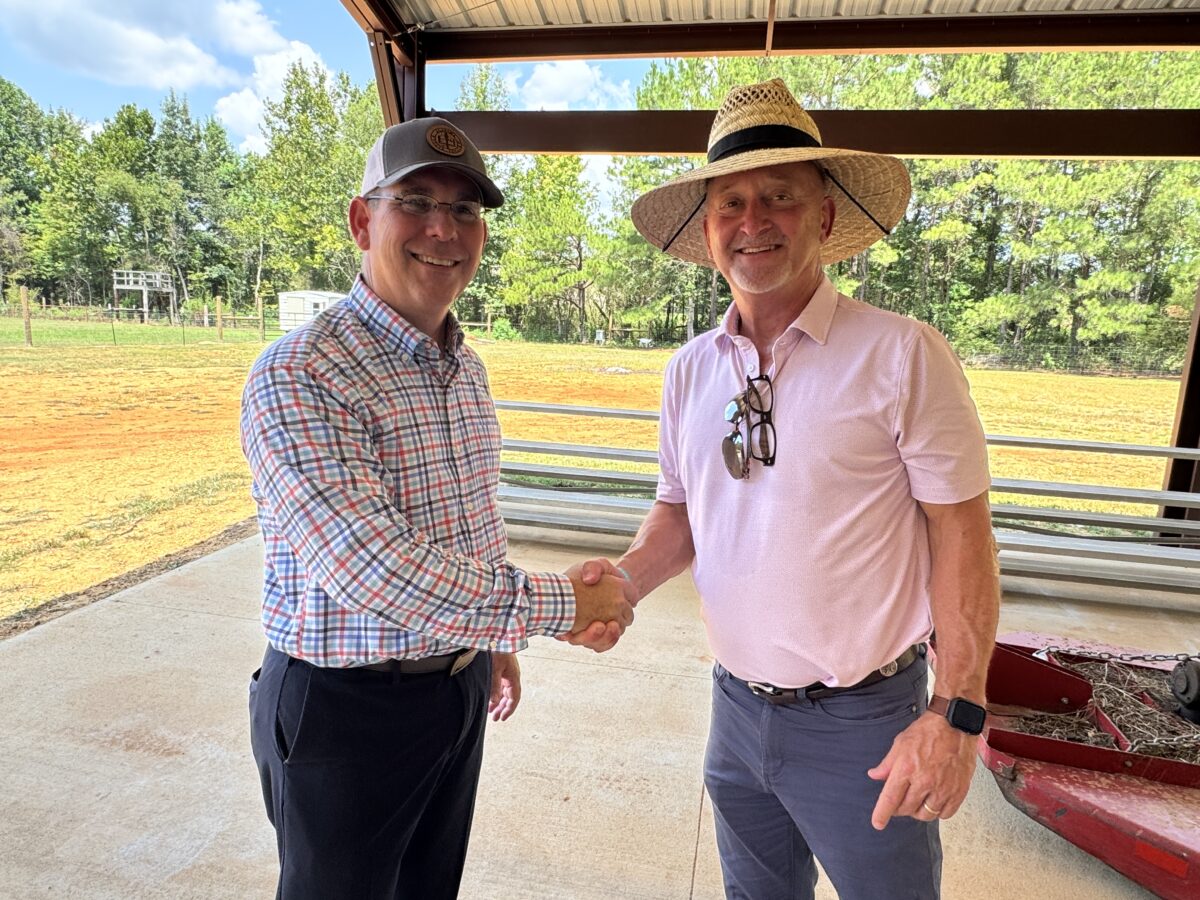
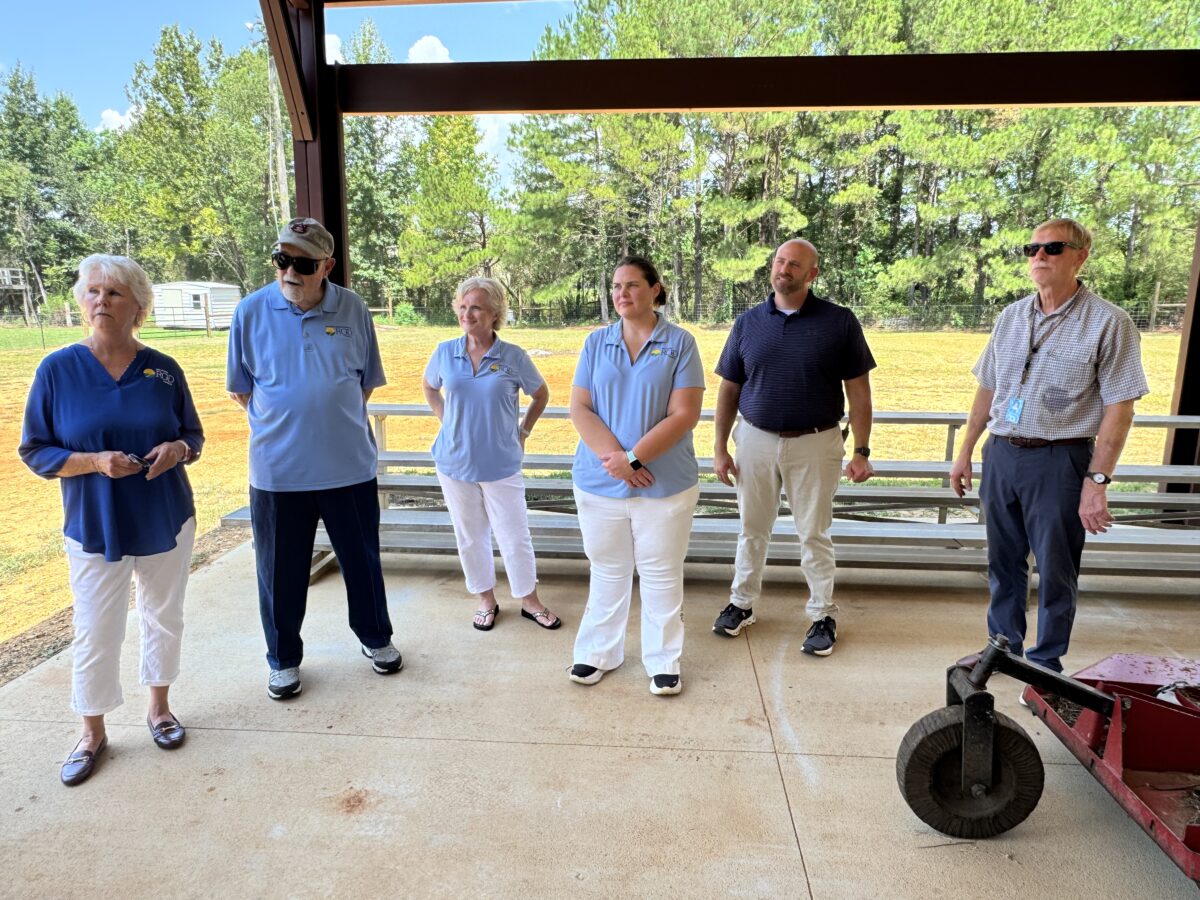
The school’s FFA program is expanding its livestock program with help from a $21,000 grant from the Mid-South Resource Conservation and Development Council. Agriculture teacher and FFA sponsor Payton Coburn applied for the grant, which is providing materials needed to build a barn structure for the program.
The new facility is helping create a space where students can work directly with livestock, learn animal care and gain practical experience that can introduce them to future careers.
Students have already played a major role in developing the program, helping build fencing, stalls and animal housing. They are also involved in the daily care of the animals and have opportunities to learn from veterinarians when animals need treatment.
Coburn said the hands-on experience has made a noticeable difference for students, particularly because many do not have access to agricultural experiences at home.
“Most of the students don’t have a farm at home,” Coburn said. “Being hands-on on campuses has changed their mindset.”
That experience has allowed students to explore areas such as animal science and veterinary medicine while developing skills they can carry with them beyond high school.
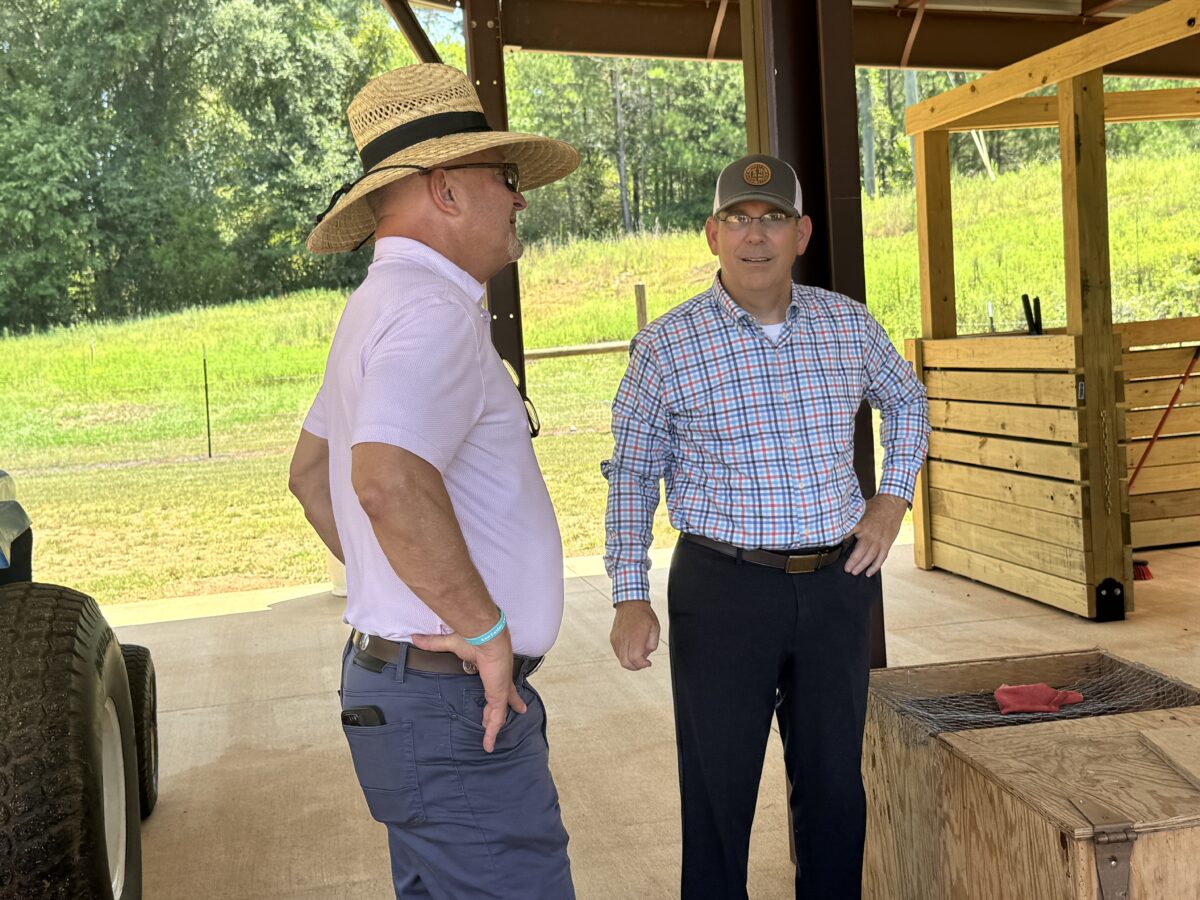
Sen. Clyde Chambliss said exposing students to those opportunities can help them discover interests they may not otherwise encounter.
“Exposure is the seed of passion,” Chambliss said. “The kids are going to be exposed to farming and animals here. Some of them will develop a passion for it, and some of them won’t. They’ll just want to be eaters like me.”
The program is already generating that kind of interest. Coburn said students regularly ask to feed and care for the animals, and some have continued what they learned at school by raising chickens at home and bringing eggs back to the school’s incubator.
The livestock program is also giving students the opportunity to see what agriculture-related careers can look like in the real world. Coburn hopes to eventually establish an internship process that would allow students to take the skills they develop through the program into local agriculture and animal-related businesses.
The goal is to give students a pathway from classroom learning to real-world experience.
Elmore County Public Schools Superintendent Richard Dennis said Coburn has played a significant role in growing the agriculture program and creating opportunities for students.
“It is amazing how much he’s transformed this particular program,” Dennis said. “He has completely turned this program over.”
Dennis said agriculture education also gives students an opportunity to apply subjects such as science and math in practical settings while learning about an industry that continues to play an important role in Alabama.
“This is science. This is ag science,” Dennis said. “In Alabama, agriculture is huge, and with everything we have going on around us, there are so many opportunities for our students to be involved in it.”
The work at Stanhope Elmore is part of a broader effort to expand agricultural education and connect students with opportunities at an earlier age.
Plans include adding a chicken coop and creating opportunities for middle school students to work alongside high school students while learning about animal science, feed ratios, math and animal growth.
For students who may never have grown up around a farm, those experiences can provide a first look at an industry, a career or simply an interest they never knew they had. The investment in the program is ultimately an investment in giving students more opportunities to learn, explore and discover where their interests can take them.
As the program continues to grow, the hope is that those early experiences will help students build skills, develop passions and see new possibilities for their futures.